The examples below illustrate how writing this type of document helps companies, organisations and teams tell the stories of their achievements, influence and leadership. Specific services:
*Company Event Chronicles
*Company History Chronicles
Past projects also include short-form articles for publications including The Morgo Book and The Valley Voice. These pieces feature people in business and the community sharing snippets of their larger stories.
In addition to writing these texts, I bring experience of working in market research and management consultancy, where the focus is on helping businesses and community groups better understand how their organisations function and highlighting opportunities for improvement. Specific areas of exploration include competitive advantages and weaknesses, staff and customer perceptions, and buyer decision-making.
Company Events
Amplifying the impact of your event
The published Event Chronicles listed below are based on one- and two-day conferences and hui, and are each aimed at communicating the event’s presentations and discussions, as well as overarching themes and future directions. The insights generated can be taken forward by those working across relevant sectors when writing proposals and business cases, influencing government policy, informing peers and clients, and in strategic planning. Each Chronicle adds to an existing body of professional knowledge.
Ultimately, these reports amplify event impact.
Click on the images below to be taken straight to the relevant documents.
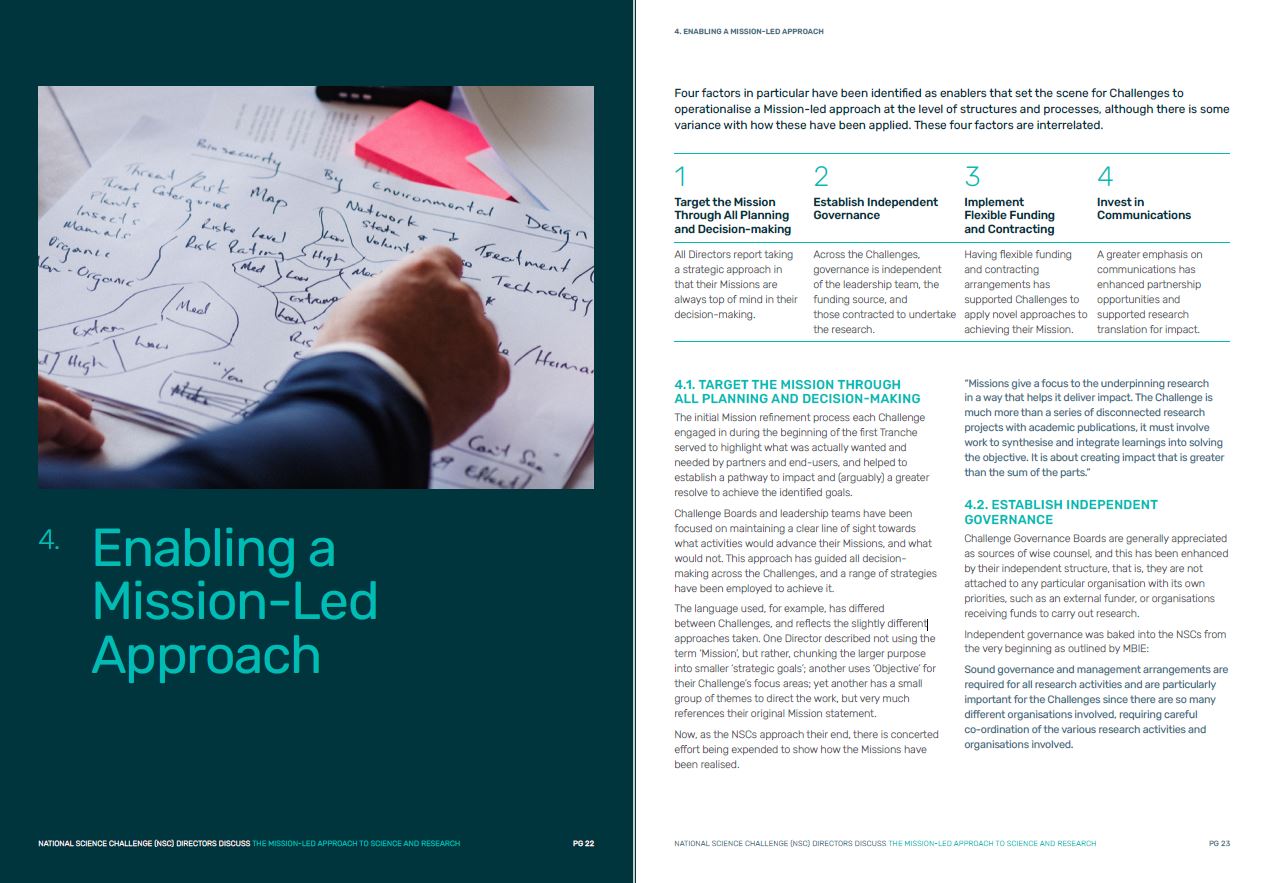
The Mission-led Approach to Science and Research
Event: One-day Workshop with NSC Directors + pre-event interviews with 11 Directors, and background research on Mission-led theory and practice.
This project aimed to increase understanding of Mission-led research, and relied heavily on learnings from the ten-year National Science Challenge initiative. Directors were invited to discuss the nature and impact of having a ‘Mission’, and offered their thoughts on what this might mean for the future of Aotearoa New Zealand’s research, science, and innovation system. Presentations and discussions from the workshop were synthesised, with insights presented in simple language. Several guiding principles emerged that could ideally inform our newly restructured science and research sector.
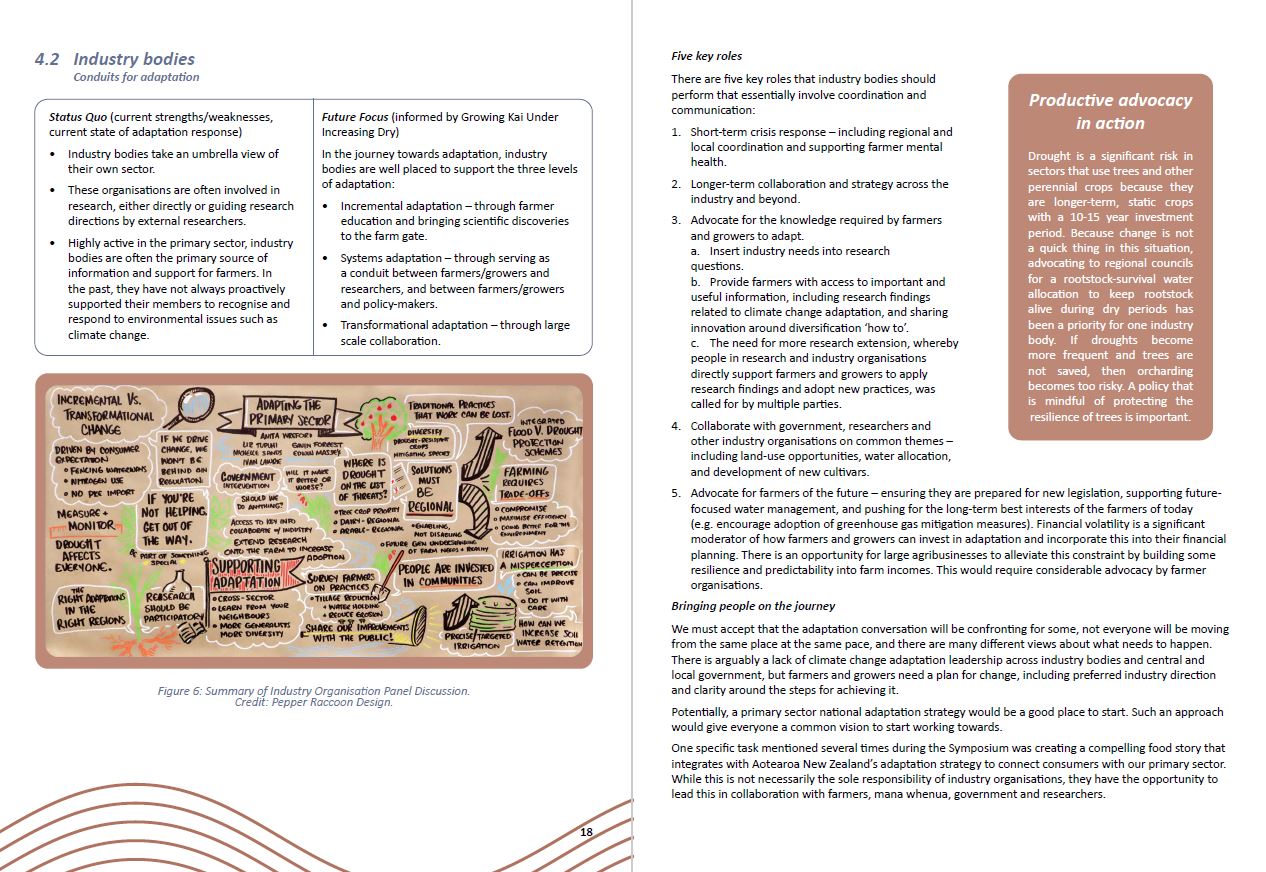
Growing Kai Under Increasing Dry
Event: Three webinars and a subsequent one-day symposium.
This easy-to-read report is based on a Rolling Symposium focused on drought adaptation. It presents Key Learnings and Next Steps for collaborative action. Succinct advice is provided for central and regional government, industry bodies, and the research, science and innovation community, in terms of what they can do to support the primary sector adapt to climate change. The document informed the Ministry for the Environment’s National Adaptation Plan (2022).
An event evaluation was also included in this assignment, based on a survey and additional interviews with attendees and speakers.
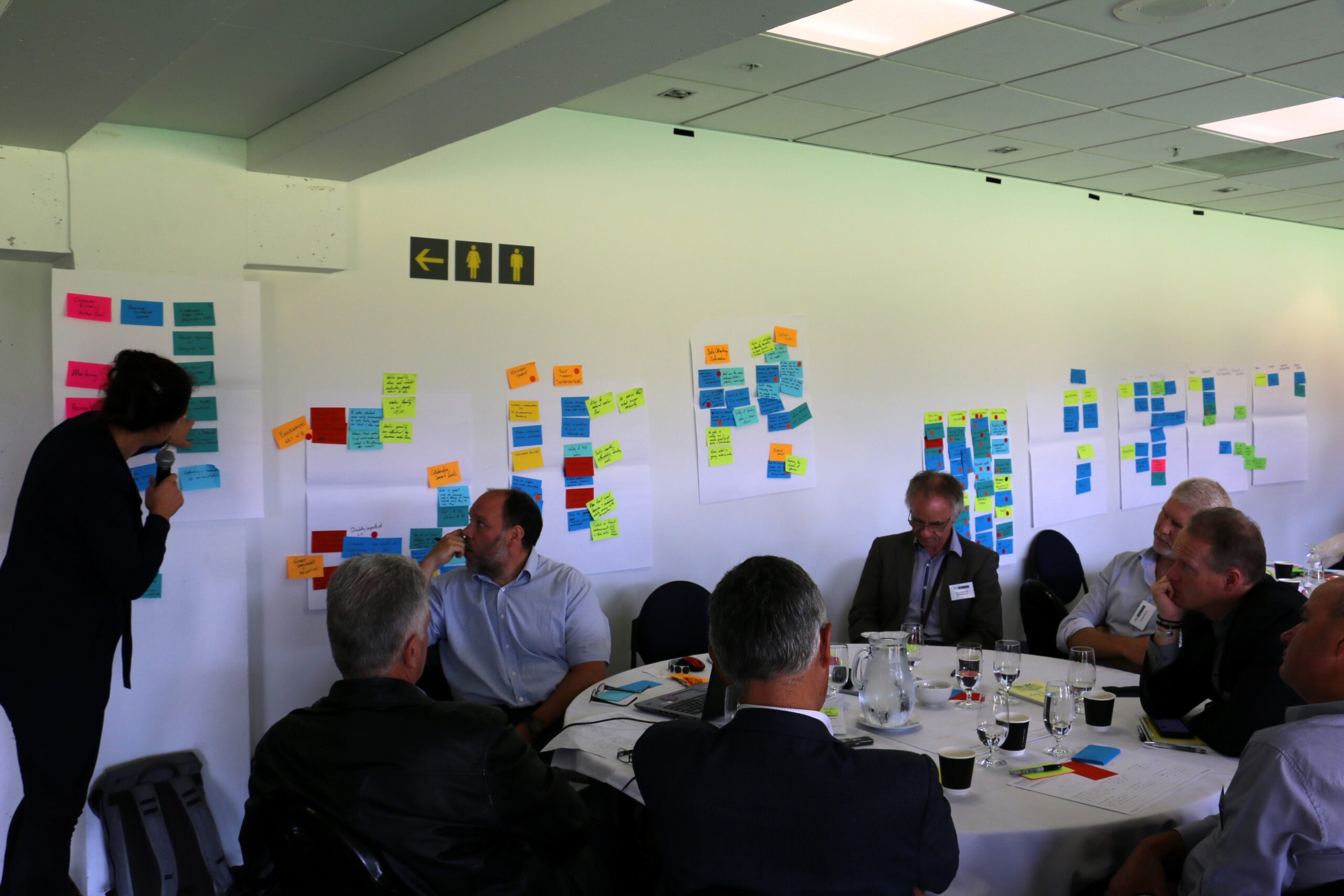
Scientist Workshops
Events: Multiple one-day facilitated Researcher Workshops for developing research programmes.
These sessions brought together scientists with varied knowledge domains, skills and perspectives, but all with an interest in a particular research area. A facilitator guided attendees through a series of questions to help them narrow down a pool of favoured ideas into a single research question. The process brought together best teams and identified potential research leaders. Interestingly, this initiative purposefully promoted collaboration rather than competition between researchers.
Each set of workshop outputs then fed into development of a three-year research project attracting funding of ~$1million per year. I worked with two science teams to help form up their final research proposals.
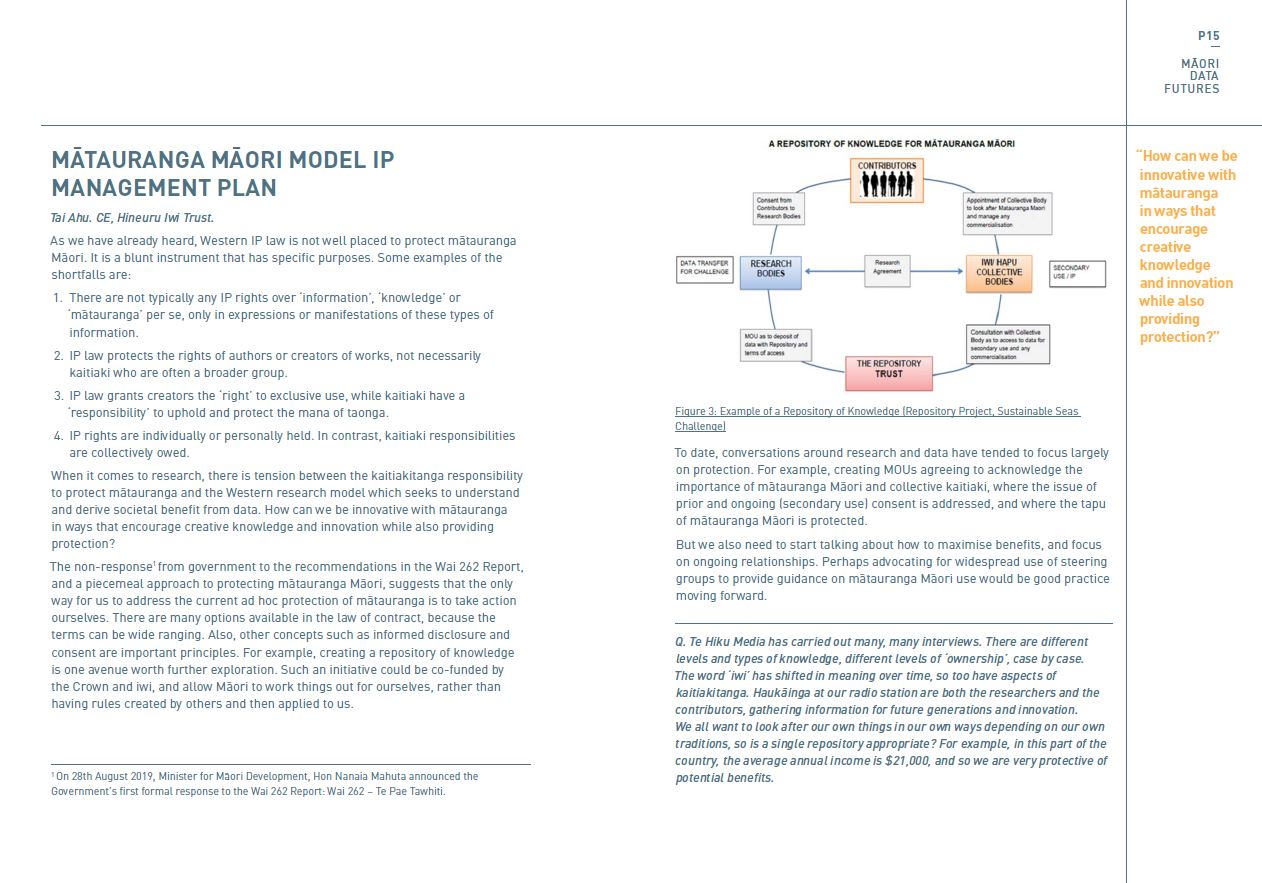
Māori Data Futures Hui + Māori Data Futures and IP Hui
Events: This series involved an initial one-day hui (data), followed by a two-day hui (data and IP) the following year.
Each document summarises hui presentations and discusses key themes and advice related to Māori data sovereignty and intellectual property. Quotes from attendee discussions are included throughout to provide additional context.
Event evaluations was also undertaken for both hui, based on post-attendance surveys.
(Co-author: Dr Willy-John Martin)
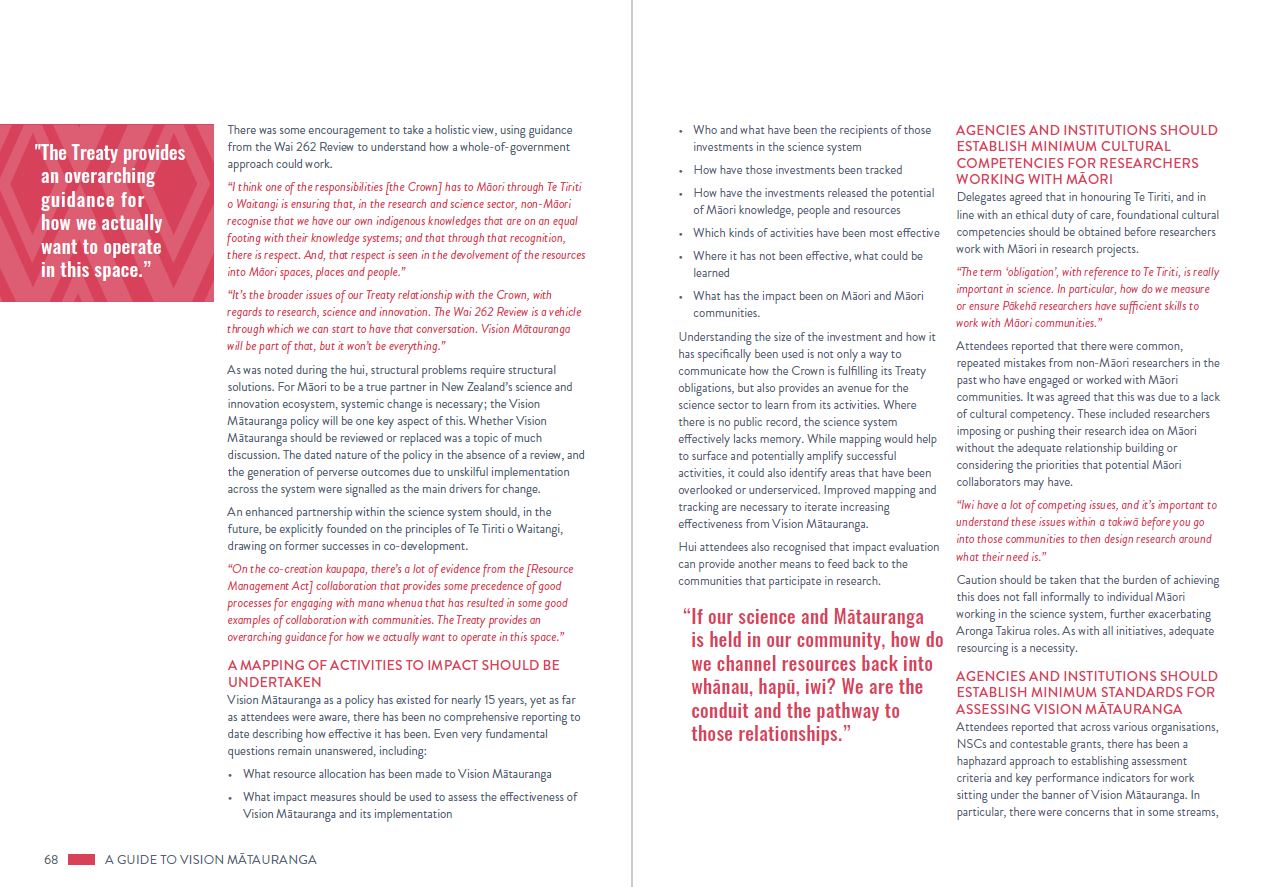
A Guide to Vision Mātauranga; Lessons from Māori Voices in the New Zealand Science Sector
Event: Two-day Vision Mātauranga Leadership Hui.
Based on shared thoughts, experiences and expertise, this 80-page Guide aims to advance the collective understanding of Aotearoa New Zealand’s Vision Mātauranga policy and its effects. The document outlines principles of good practice and provides recommendations for achieving science excellence, impact and success into the future.
(Co-author: Dr Willy-John Martin)
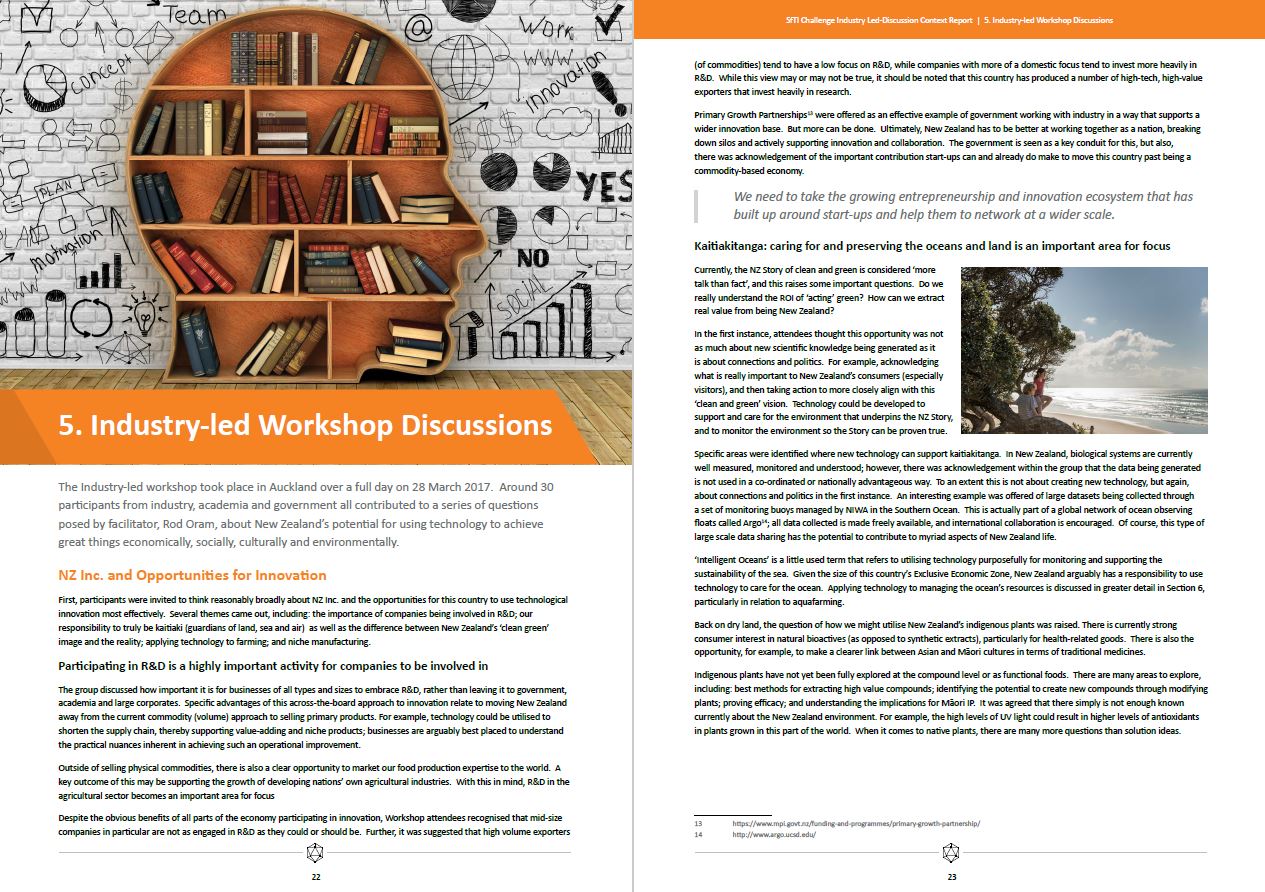
Science for Technological Innovation (SfTI) Mission Labs
Events: Two one-day workshops, each attended by 70-100 people.
Two separate workshops brought together industry, Māori and government representatives, to guide researchers on which high-level research missions SfTI should pursue during its ten-year lifespan. In addition to summarising the events themselves, the reports also required additional research (interviews and background) to provide relevant context.
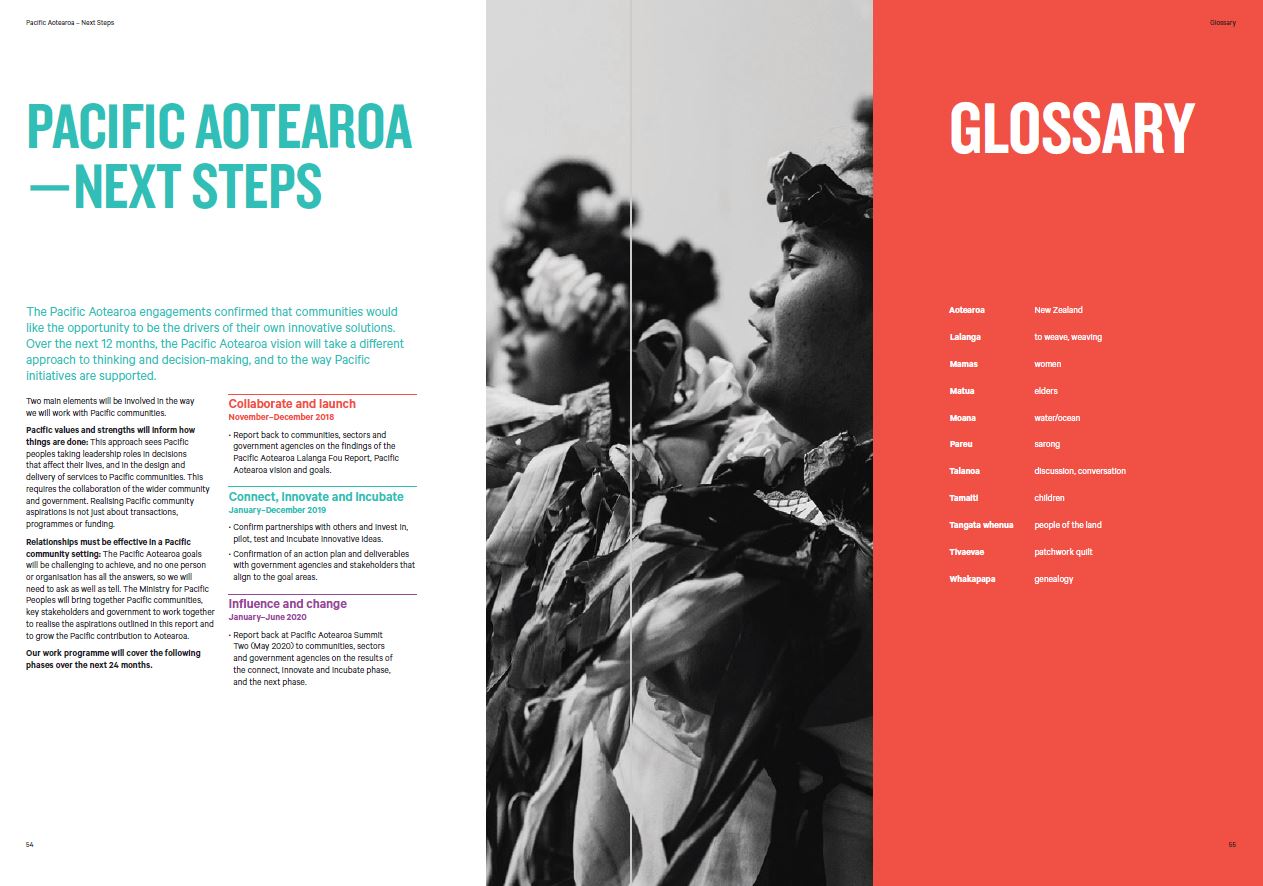
Pacific Aotearoa Lalanga Fou – Languages and High Tech
Event: Two-day fono with multiple speakers and over 100 attendees.
Six key themes emerged from the fono, which have informed the Ministry for Pacific Peoples’ subsequent strategy and planning. In addition to exploring the big picture threads, the document includes summaries from keynote presentations and several case studies shared during the event.
Company Histories
Telling the stories behind remarkable companies
Rather than focus on a one- or two-day event, these Chronicles share stories that have developed over time.
Creating a Chronicle for your company, group or project, provides readers with a better understanding of your contributions to industry and community, and it highlights achievements and challenges along the way. Importantly, it can honour individuals who have contributed to your success.
Interviewing key people and drawing insights from your written records effectively turns archives into an engaging, professional narrative.
This work can be presented as a history book, a legacy document or more technical report, but will always bring information together from a variety of sources to fulfil your information and communication aims.
Click on the images below to be taken straight to the document or client website.
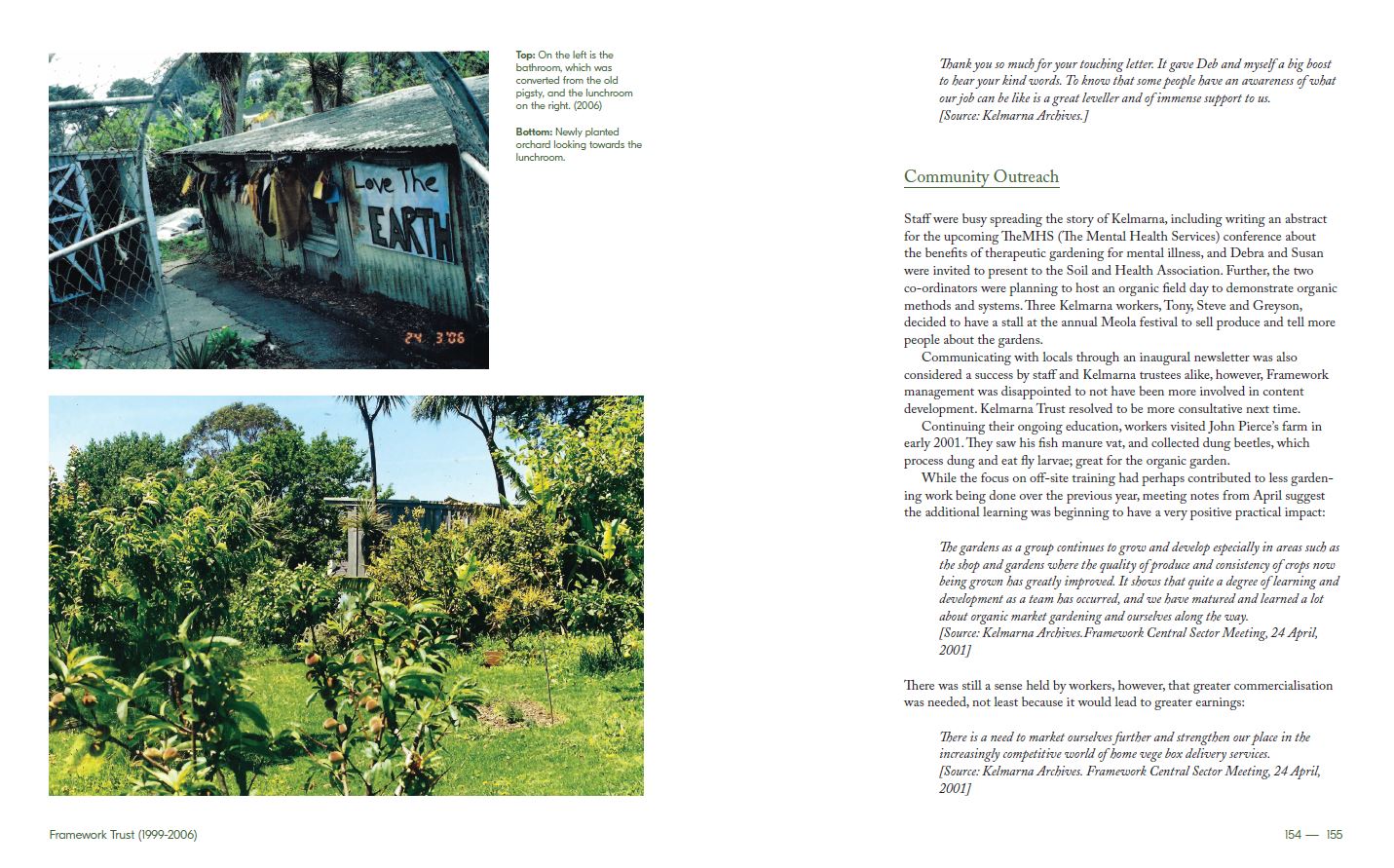
Growing Together; Forty Years at Kelmarna
Organisation: Kelmarna Community Farm.
Told over 270 pages, Growing Together is a detailed account of the community garden’s first 40 years. It is based on multiple in-depth interviews and extensive background research, and quotes and images are included throughout. The book pays tribute to the many hardworking people who have stewarded Kelmarna over the years.
Support this longstanding community initiative by purchasing Growing Together ($50) directly from Kelmarna.
(Co-author: Adrian Roche)
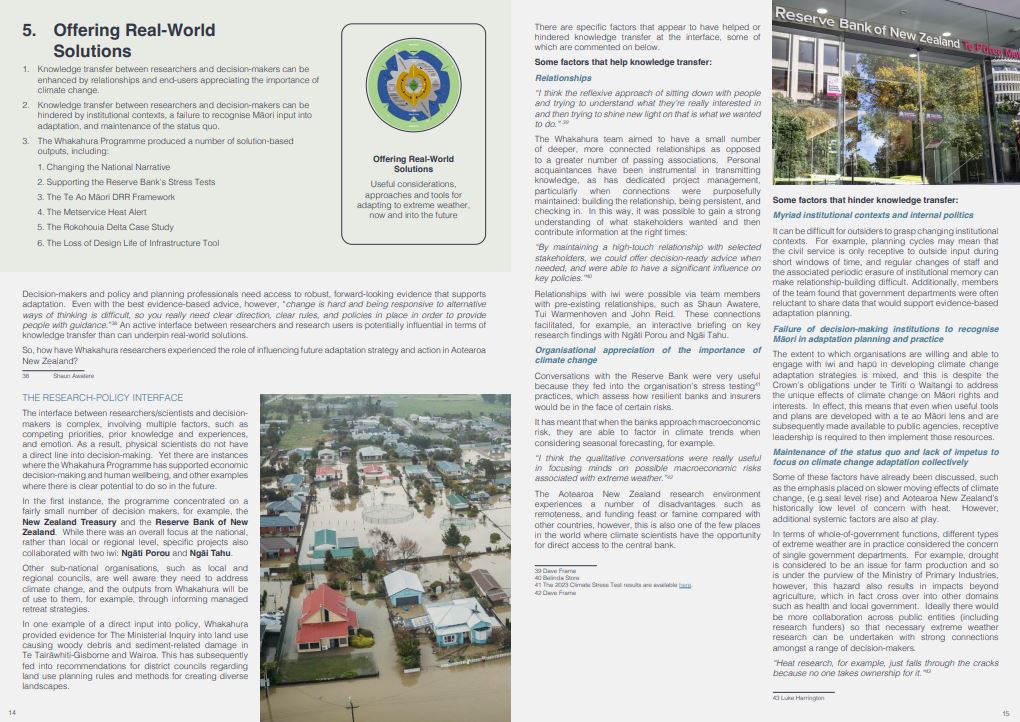
Extreme Events and the Emergence of Climate Change: A Synthesis
Programme: Whakahura, a five-year, Endeavour-funded research programme.
Whakahura explored extreme weather associated with climate change. The synthesis draws from a collection of written material including the original research proposal, annual reports, media articles and a selection of research papers. Interviews with research leaders were also undertaken. Three overarching themes were identified through which to frame key findings: Understanding Real-World Changes; Identifying Real-World Impacts, and Offering Real-World Solutions.
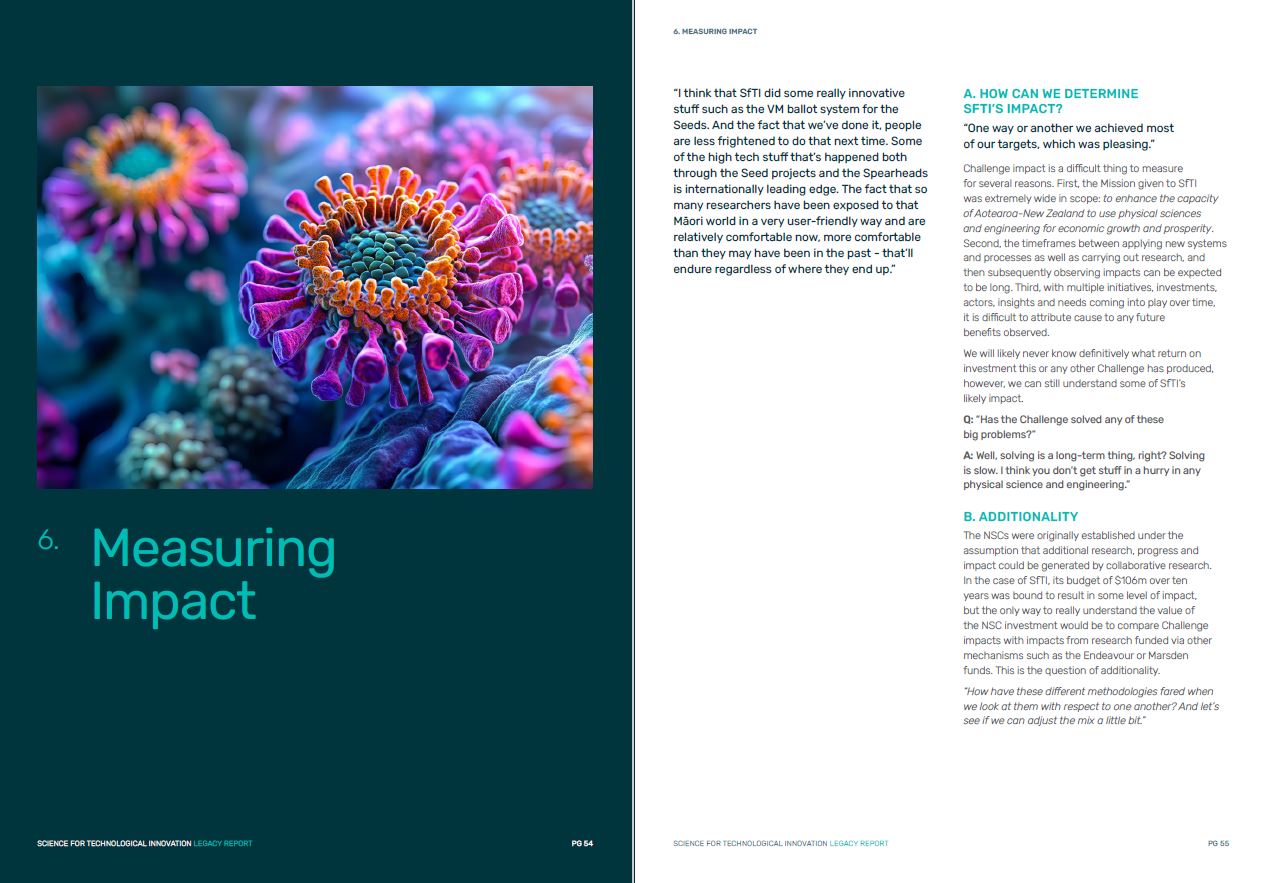
Science for Technological Innovation NSC Legacy Report
Organisation: Science for Technological Innovation National Science Challenge.
As the National Science Challenges came to a close in 2024, it was useful to look back on their contributions over the previous decade. This 90-page document revisits some of the NSC establishment history, and then delves into the more detailed aspects of SfTI’s Mission, as well as the organisational innovations developed to achieve it. Summaries of key research projects and case studies of success are also included.
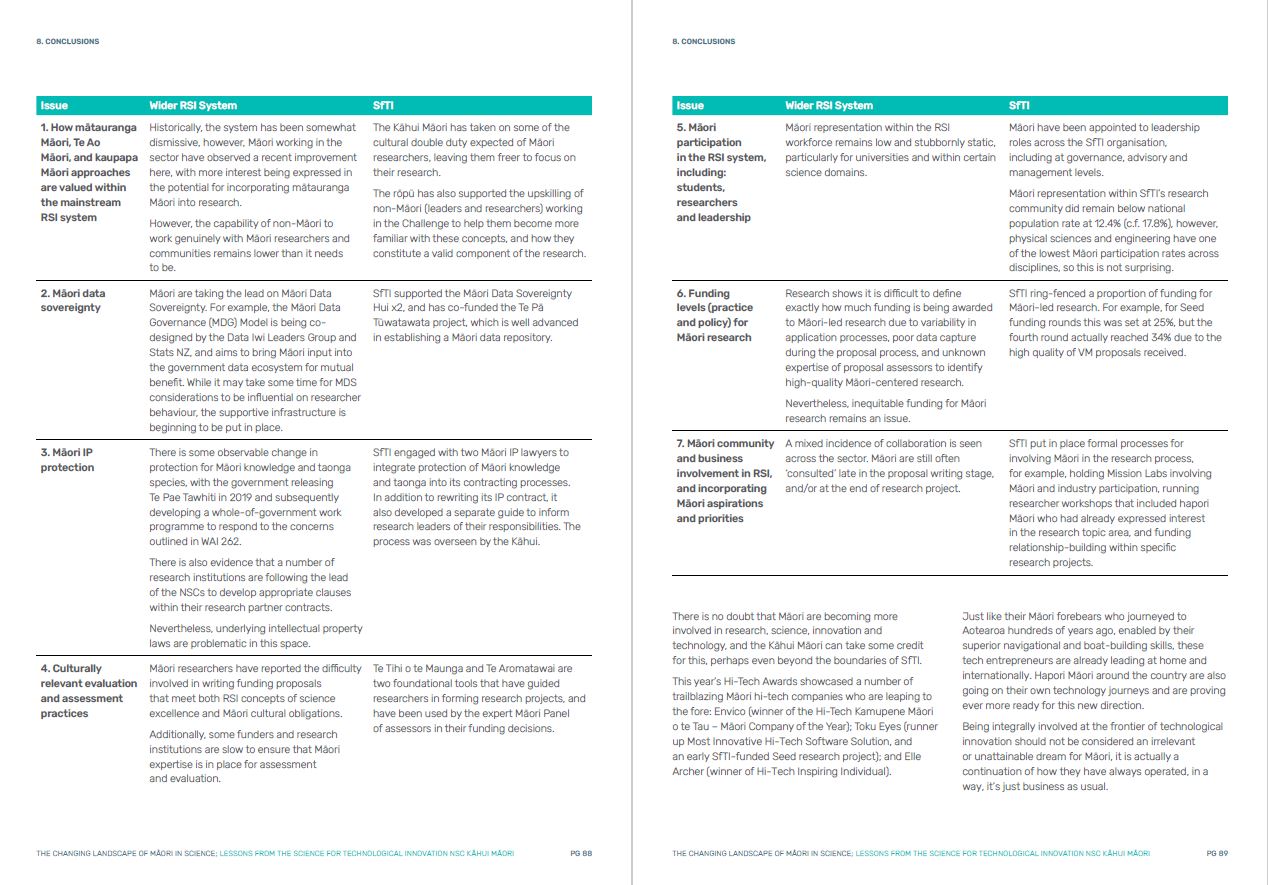
The Changing Landscape of Māori in Science; Lessons from the Science for Technological Innovation (SfTI) NSC Kāhui Māori
Organisation: The Kāhui Māori within SfTI.
This book chronicles the impact of SfTI’s Kāhui Māori during its lifetime (2015-2024). The group’s thought leadership and relationship building, often behind the scenes, helped to create a more positive space for Māori researchers and Māori communities within the science sector, something that would likely not have happened organically without their influence. The 90-page publication was informed by multiple in-depth interviews, organisational documents, and secondary research.

Accelerating Science Innovation Through Human and Relational Skills Development
Programme: Capacity Development Programme for scientists.
This document explores a range of factors, such as the benefits of developing researchers’ capacity to connect with industry and Māori, collaborate with other researchers, and take discoveries out of the lab and into the marketplace. In particular, it evaluates how participation in this initiative has impacted researchers, both in terms of their experience of the training and subsequent behaviour change.
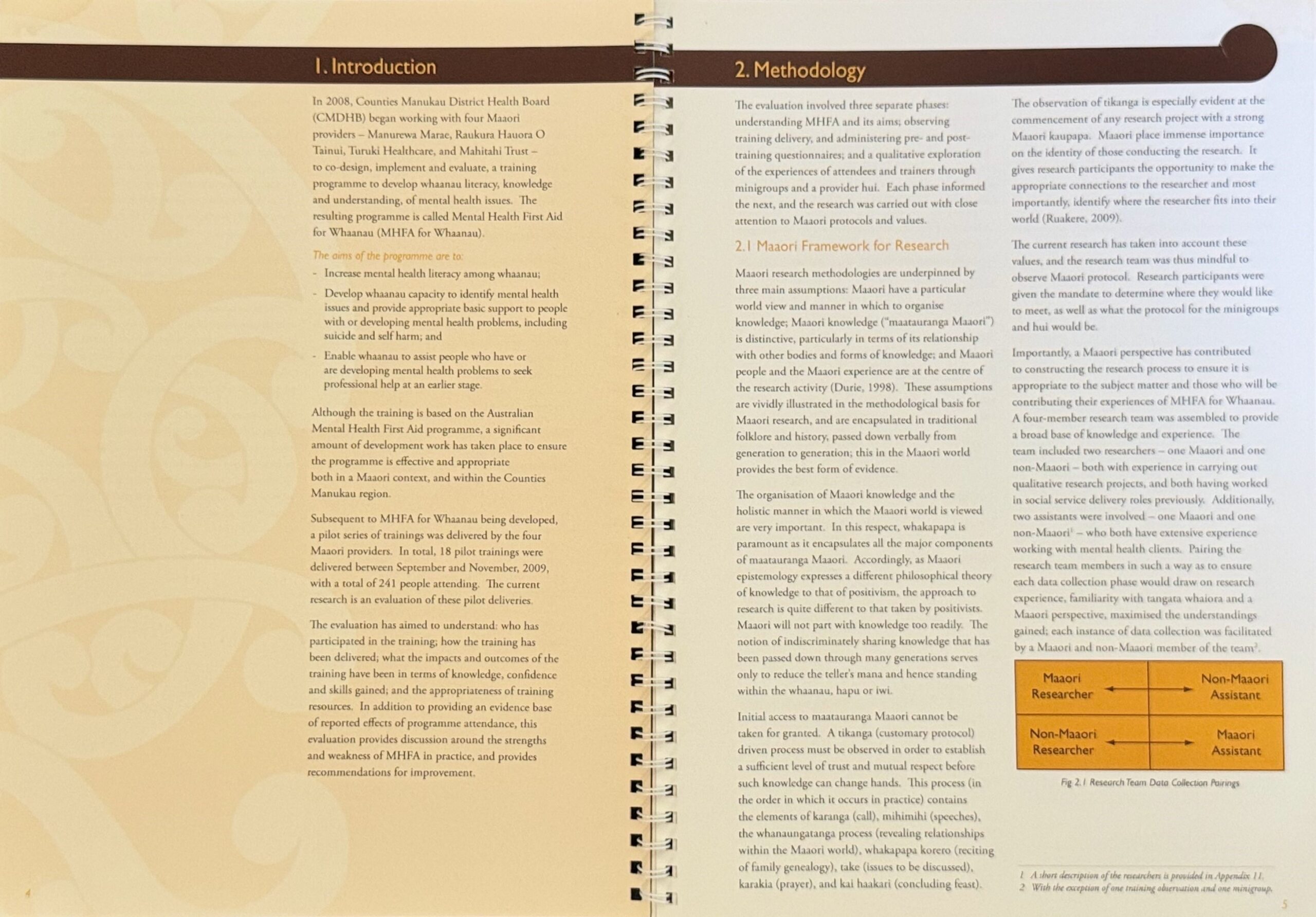
Mental Health First Aid (MHFA) Evaluation
Programme: Pilot for Mental Health First Aid training.
Counties Manukau DHB had adapted the Australian Mental Health First Aid programme (MHFA) for Aotearoa New Zealand, and wanted to evaluate pilot deliveries of the training. Several different data collection methods were employed: training observations, minigroups with attendees, and a hui with facilitators. The study also applied the Most Significant Change Technique to better understand post-training behaviour change. The final overview identified the extent to which programme goals had been achieved, and provided recommendations for the programme moving forward.
(Co-author: Dr Tom Ruakere)
Snippets
Some of these are interview-based micro-histories, primarily about business people, where we focused on the most interesting aspects of their journey to success and/or the nature of their work. Others are reports based on market research; they provide insights for exporters and policymakers.
The Morgo Book
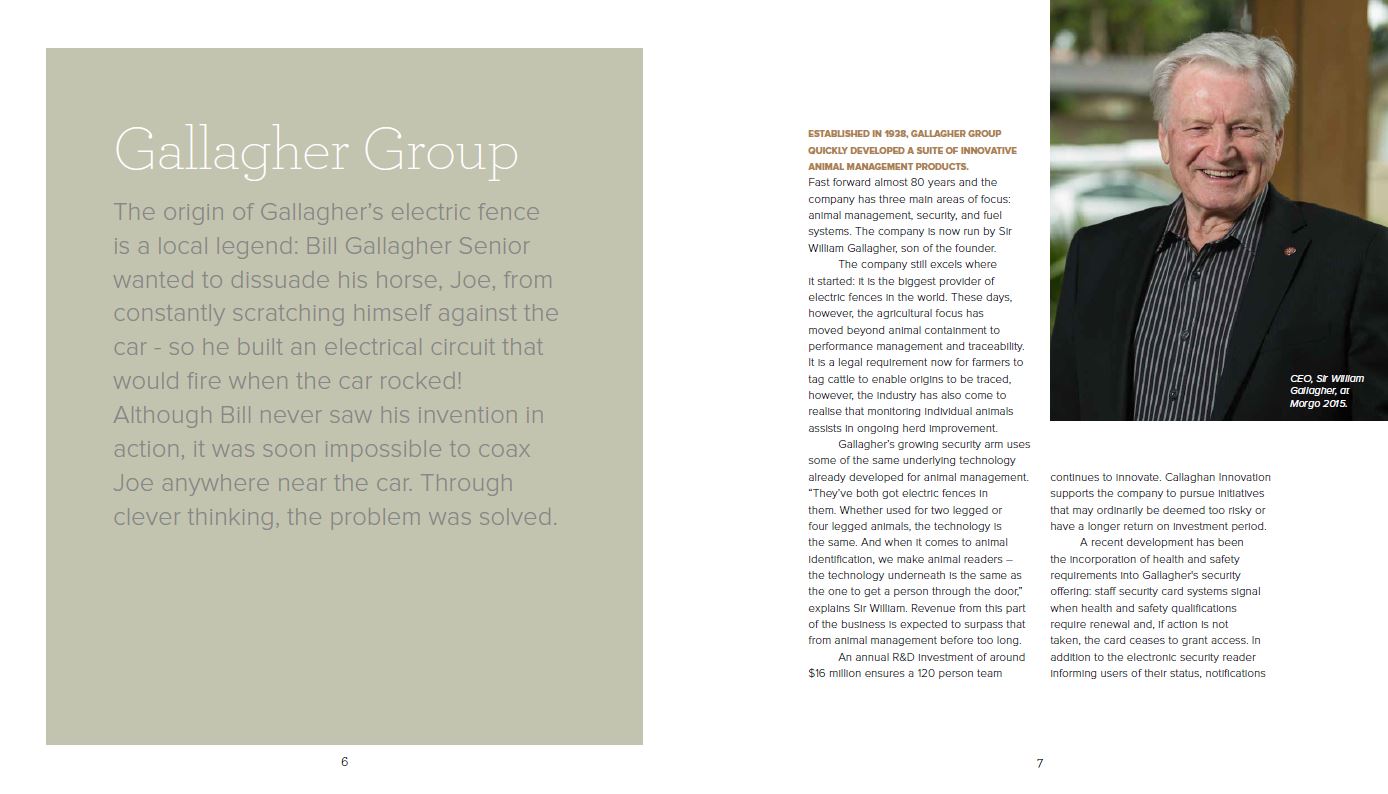
Morgo Conferences commissioned a set of three books showcasing successful New Zealand high tech companies and entrepreneurs. The more high profile interviewees included Sir Rod Drury (Xero), Sir Ray Avery, Sir William Gallagher (Gallagher Group, pictured), and Sir Ian Taylor (ARL).
(Book #1 was written by journalist/editor Caitlyn Sykes)
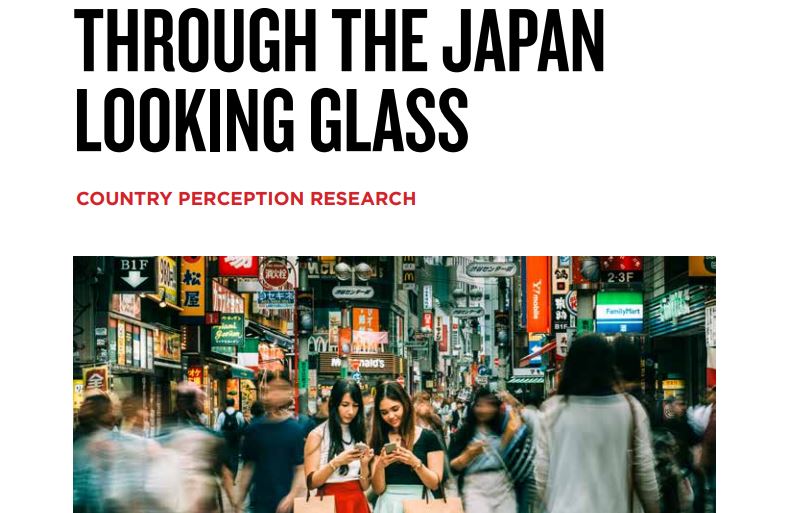
Japan Country Perceptions
This Whitepaper was informed by existing in-country (Japan) market research as well as additional interviews with New Zealand businesses. The two sets of information were synthesised to create a document that would provide guidance on how to successfully do business with Japan. Editorial advice and design were provided by NZStory.
(Co-author: Juliet Hawkeswood)

TIN – Technology Investment Network
The Annual TIN Report tracks performance of New Zealand’s 200 most successful export-focused technology companies. Specific metrics include
revenue, profit, employee numbers, and R&D spend. Data is collected through an annual survey, media reports, websites and annual reports, as well as direct consultation with individual companies and industry bodies. New Zealand Trade and Enterprise is a major sponsor.
(2013 Edition)
The Valley Voice
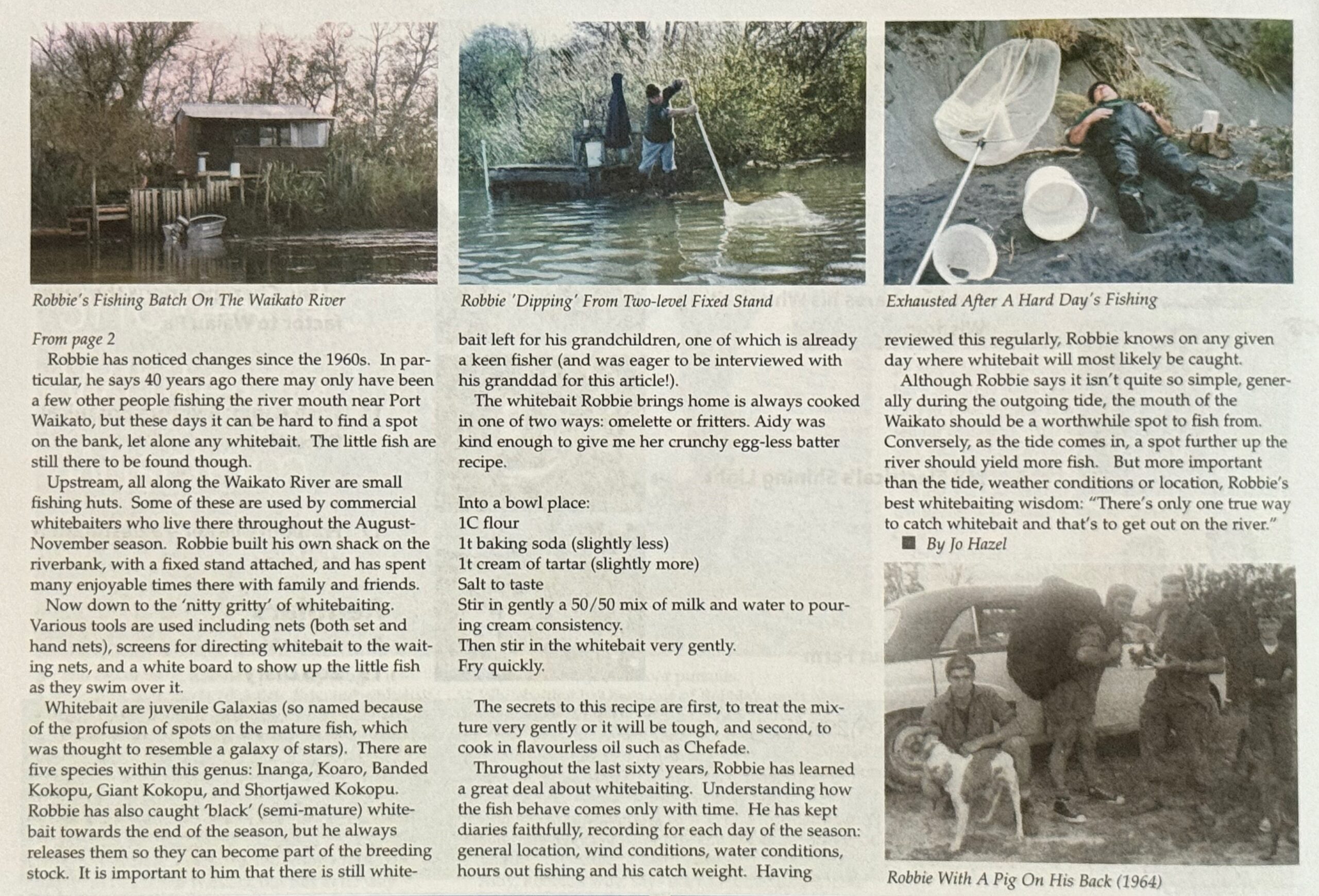
The Valley Voice is a longstanding monthly publication featuring local stories from Franklin (Auckland/Waikato area), with a focus on the region’s ‘unsung heroes’. People interviewed have included breeders, artisans, food manufacturers, and Robbie the exceptional whitebaiter who shared the best fritter recipe you’ll ever find.